
History ·
Fuentecén, wine in the Ribera del Duero of Burgos
The TresPiedras project was born in Fuentecén (Ribera del Duero, province of Burgos), a village in the Duero valley. It lies 10 km from Roa de Duero, 17 km from Aranda de Duero and 94 km from the provincial capital, and owes its name to the many springs that rise here.
Its origins go back to the 10th century and the repopulation of the Duero valley after the Reconquest. The municipality holds a rich ethnographic heritage linked to the culture of wine. Of the few people who live in the village today, the great majority still devote their days to wine.
As in most rural villages across Spain, the population of Fuentecén has declined over the years as people moved to the big cities or provincial capitals. Today Fuentecén has 13.08 inhabitants per km². The latest census counted 223 inhabitants, 83% fewer than in the 1950s. Of today’s population, 45% were born in the village, while 38% moved to Fuentecén from other parts of Spain (16% from other countries).
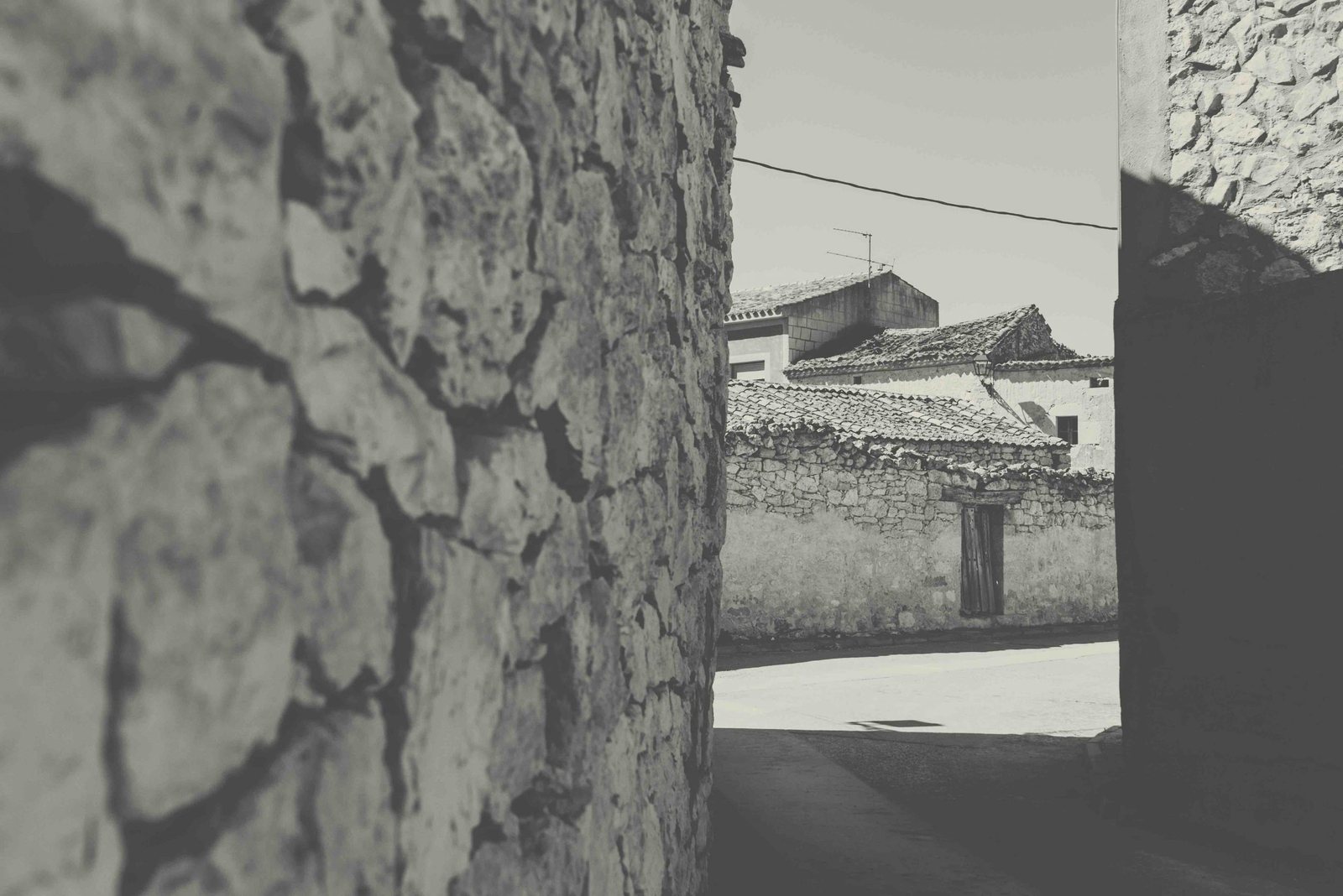
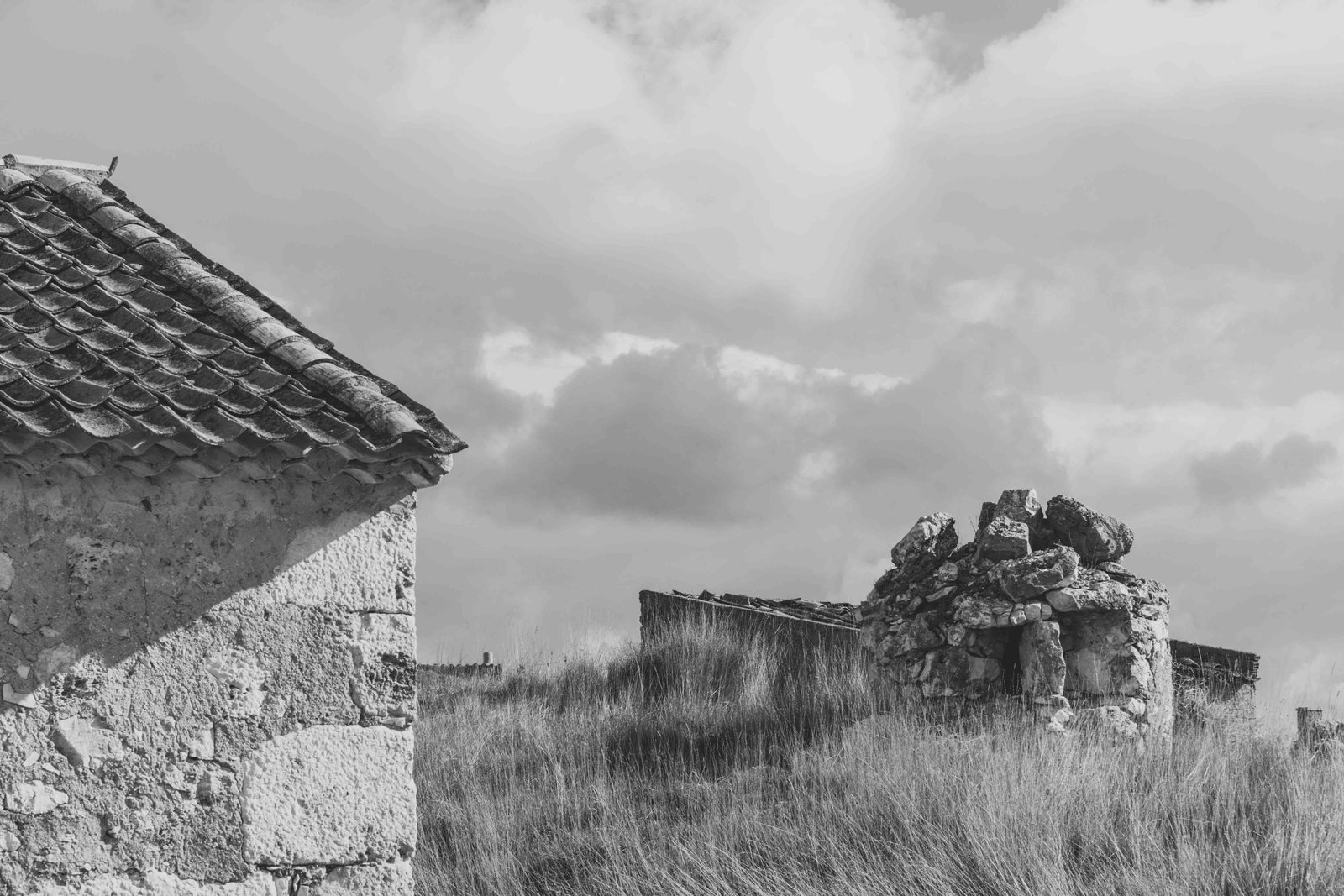
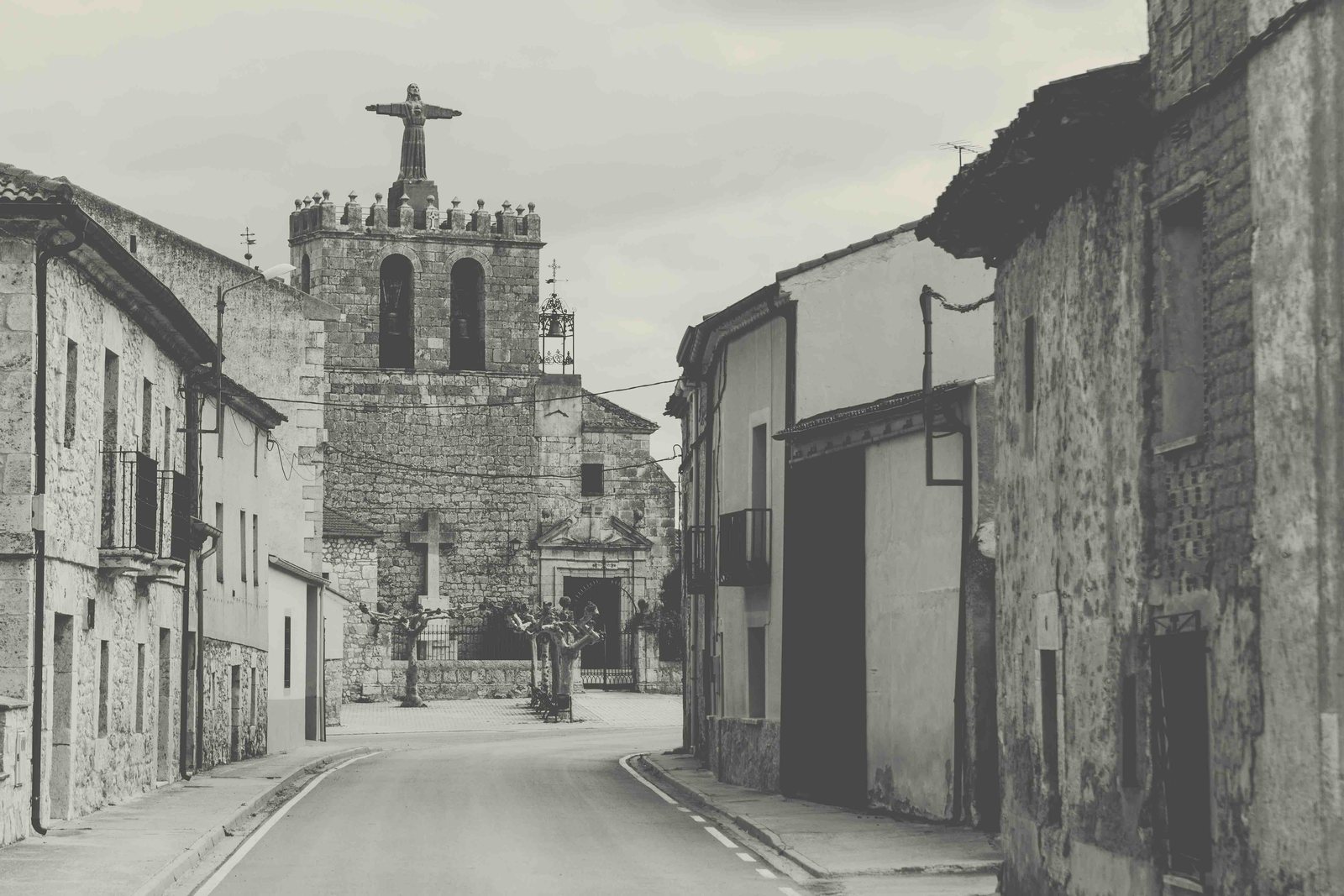
The number of residents working in wine has grown noticeably. Our streets today breathe history, the past, calm and uncertainty. Despite the sharp fall in population over the last 50 years, wine culture is still present in many corners of the village, with working wineries and traditional buildings.
At TresPiedras we chose to stay true to our roots: we are now the fourth generation of growers in the family. We believe in traditions and in what our ancestors left us, in those underground cellars in the pine wood where the villagers’ grapes arrived at every harvest. Today we work some of those old vineyards ourselves, once tended by them and abandoned for a long time. We keep caring for the land with respectful, regenerative viticulture, preparing it for the generations to come.
Source: TresPiedras blog, published on 9 February 2022.